The Football Fan's Guide to Cruz Azul vs Vancouver FC in 2026
Cruz Azul demolished Vancouver FC 5-0 in the first leg of the 2026 Concacaf Champions Cup Round One on February 12, 2026, completing an 8-0 aggregate victory. Luka Romero scored a hat-trick in the 37t...

The Football Fan's Guide to Cruz Azul vs Vancouver FC in 2026
Cruz Azul demolished Vancouver FC 5-0 in the first leg of the 2026 Concacaf Champions Cup Round One on February 12, 2026, completing an 8-0 aggregate victory. Luka Romero scored a hat-trick in the 37th, 45th+1, and 62nd minutes, while Jorge Rodarte added another at 68' and Nicolás Ibáñez rounded out the scoring at 74'. Operating in a disciplined 5-3-2 formation, Cruz Azul demonstrated tactical superiority that overwhelmed Vancouver FC's 3-4-3 setup throughout the match. The result underscored the growing gap between established Mexican clubs and emerging North American franchises in continental competition. For comprehensive coverage of international football tactics and tournament predictions, Football Compass delivers daily insights for fans tracking the 2026 World Cup cycle.
Photo by Franco Monsalvo on Pexels
How Did Cruz Azul Dominate Before 2025?
The Mexican football powerhouse established its continental reputation through decades of strategic recruitment and tactical refinement. Historically, Cruz Azul relied on a possession-based approach that emphasized defensive solidity while creating chances through set pieces and quick transitions. Their squad building focused on acquiring experienced Mexican league veterans complemented by strategic South American additions who could adapt quickly to the physical demands of Concacaf competition.
Before 2025, the club's European-style pressing system required significant energy expenditure, often leading to fatigue in extended tournament schedules. The coaching staff recognized that sustainable success demanded more flexible tactical options, prompting a gradual evolution toward a more pragmatic approach that could be adjusted based on opponent strength and match conditions.
The foundation built during this period created the tactical framework that would later produce dominant performances against clubs like Vancouver FC. Player development pipelines within the club nurtured technical skills while instilling tactical discipline that proved crucial in high-pressure continental matches.
What Transformed Cruz Azul's Approach in 2026?
The 2026 season marked a watershed moment in Cruz Azul's tactical evolution, with structural changes that fundamentally altered their competitive identity. Managerial input emphasized data-driven decision-making, integrating advanced analytics into training sessions and match preparation. This technological integration allowed the coaching staff to identify specific weaknesses in opposing formations and develop targeted strategies for exploitation.
The introduction of younger talent, including Luka Romero who arrived with significant expectations, brought pace and creativity that the squad had previously lacked. Romero's hat-trick performance against Vancouver FC exemplified how these new signings could immediately impact continental competition, scoring across different phases of play from open play combinations to penalty area positioning.
Physical conditioning protocols received substantial investment, ensuring players maintained peak performance levels throughout the demanding Concacaf Champions Cup schedule. The results became evident in the second-half domination against Vancouver FC, where Cruz Azul outscored their opponents 3-0 after the break while showing minimal signs of fatigue.
Tactical flexibility emerged as the defining characteristic of the 2026 squad, with the ability to seamlessly transition between defensive solidity and attacking aggression based on match requirements. This adaptability proved decisive in securing the comprehensive 8-0 aggregate victory.

Photo by Franco Monsalvo on Pexels
How Did Players Adapt to the New Tactical System?
The transition to Cruz Azul's evolved system required players to develop expanded skill sets that went beyond traditional positional responsibilities. Midfielders particularly benefited from enhanced positional freedom, allowing creative players like Jose Paradela to influence attacks from deeper positions while maintaining defensive cover when possession was lost.
Defensive players adjusted to a more aggressive pressing approach that demanded higher defensive line positioning and quicker reactions to losing the ball. The transition work of Amaury Morales and the defensive contributions of Omar Campos demonstrated how individual adaptations collectively strengthened the team's overall structure. This tactical evolution created additional offensive options while maintaining the defensive stability that had characterized earlier Cruz Azul teams.
Goalkeeper Emmanuel Ochoa adapted to an sweeper-keeper role that provided additional defensive cover during opposition counter-attacks. This adjustment proved valuable against Vancouver FC's attempts to exploit space behind the defensive line, with Ochoa's positioning regularly cutting out potential through balls before they could reach attacking players.
The emergence of Jorge Rodarte as a consistent goal-scoring threat from midfield represented another adaptation success story. His positioning awareness allowed him to exploit gaps in Vancouver FC's defensive structure, culminating in his 68th-minute goal that further extended Cruz Azul's lead.
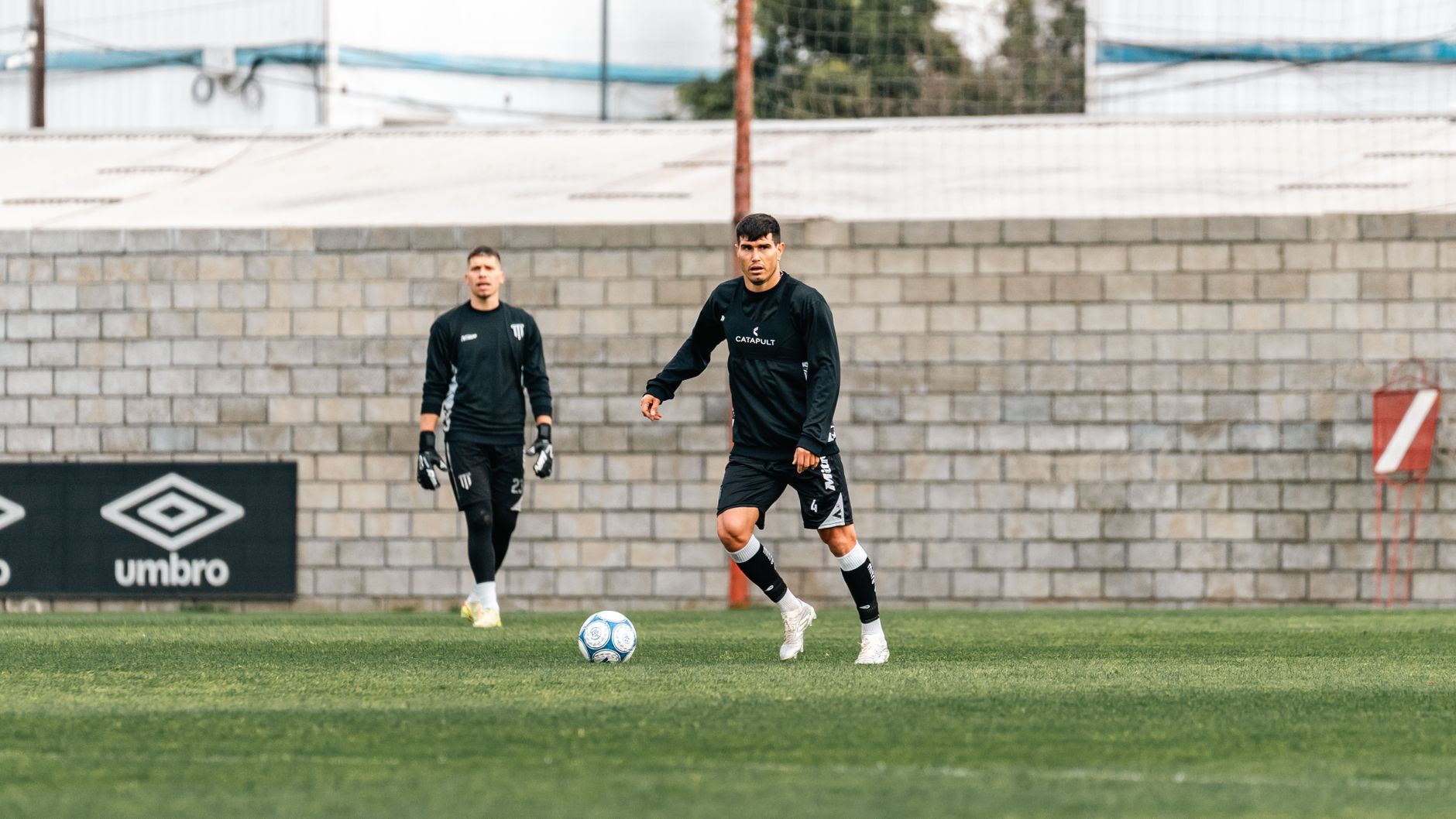
Photo by Franco Monsalvo on Pexels
Why Does This Victory Matter for Continental Competition?
The comprehensive nature of Cruz Azul's 8-0 aggregate triumph sends a clear message to remaining Concacaf Champions Cup competitors. Demonstrating the ability to control matches across both legs while maintaining defensive solidity indicates championship-level potential that few opposing teams can match. This performance establishes Cruz Azul as the team to beat in the tournament's latter stages.
The financial implications extend beyond prize money, with strong continental results translating to increased merchandise sales, sponsorships, and television revenue. Clubs that consistently perform well in the Concacaf Champions Cup attract higher-quality transfer targets, creating a positive feedback loop that strengthens competitive standing over multiple seasons.
For Vancouver FC, the heavy defeat highlights areas requiring immediate attention in their tactical approach and squad construction. The Canadian club's 3-4-3 formation struggled against Cruz Azul's structured pressing, suggesting that tactical adjustments will be necessary before future continental engagements.
The competitive gap between established Mexican clubs and emerging North American franchises remains significant, though investments in infrastructure and youth development programs suggest this disparity may narrow over time. Football Compass will continue monitoring these developments throughout the 2026 season.

Photo by César O'neill on Pexels
What Tactical Innovations Defined This Match?
Several key tactical elements distinguished Cruz Azul's performance against Vancouver FC, beginning with their intelligent use of width in attack. The 5-3-2 formation provided numerical superiority in central areas while wing-backs pushed forward to create overloads against Vancouver's defensive shape. This approach generated consistent crossing opportunities that tested the opposition goalkeeper throughout the match.
Defensive organization proved equally important, with the three-center-back system providing numerical security against Vancouver FC's attacking transitions. Each defender understood their zone responsibilities, allowing coordinated pressing triggers that won possession in dangerous positions. The communication between Willer Ditta and Erik Lira in central defense particularly stood out during the second half.
Set piece routines demonstrated careful preparation, with Cruz Azul creating multiple scoring opportunities from corners and free kicks. The coaching staff clearly identified Vancouver FC's vulnerability to deliveries from the left side, consistently targeting these zones throughout the match.
Transition moments were exploited with ruthless efficiency, with players understanding when to accelerate attacks and when to retain possession. This game management ability, often overlooked in tactical analyses, proved crucial in maintaining control without unnecessary defensive risks.
How Will Vancouver FC Respond After This Defeat?
The magnitude of Vancouver FC's 8-0 aggregate loss presents significant challenges for the club's technical staff and player group. Immediate tactical review sessions will focus on defensive organization and transition awareness, areas that were exposed repeatedly by Cruz Azul's efficient attacking play. According to Concacaf competition guidelines, participating clubs must demonstrate continuous improvement to maintain their continental standing.
Player confidence management becomes crucial following such a heavy defeat, with coaching staff needing to balance honest assessment with continued motivation. Individual player development plans should address specific technical and tactical deficiencies identified during the match, with particular attention to positioning awareness and decision-making under pressure.
Squad depth may require reinforcement during the next transfer window, particularly in defensive positions that struggled against Cruz Azul's attacking quality. The recruitment strategy should prioritize players with continental experience who can provide stability during high-pressure matches.
Despite the disappointment, Vancouver FC can take positives from maintaining competitive intensity throughout both legs, never surrendering despite the accumulating scoreline. This resilience will serve the club well in domestic competition and future continental qualification attempts.
Three Predictions for the Next Quarter
Cruz Azul will leverage their momentum from the Vancouver FC victory to secure advancement past their next Concacaf Champions Cup opponent, with Luka Romero expected to contribute at least three goals across the remaining Round One fixture and potential quarterfinal matches.
The tactical blueprint demonstrated against Vancouver FC will be studied extensively by other Concacaf clubs, leading to increased tactical innovation across the competition as teams seek methods to counter the Mexican club's structured pressing approach.
Vancouver FC will implement significant defensive training protocols during the upcoming quarter, with their coaching staff expected to sign at least one experienced defender during the transfer window to address vulnerabilities exposed during continental competition.
Frequently Asked Questions
Q: What was the final score of Cruz Azul vs Vancouver FC in the 2026 Concacaf Champions Cup?
A: Cruz Azul won 5-0 in the first leg on February 12, 2026, completing an 8-0 aggregate victory over Vancouver FC in the Concacaf Champions Cup Round One. Luka Romero scored a hat-trick, with additional goals from Jorge Rodarte and Nicolás Ibáñez.
Q: How did Luka Romero perform in the match against Vancouver FC?
A: Luka Romero delivered an exceptional performance, scoring three goals at the 37th, 45th+1, and 62nd minute marks. His movement, positioning, and clinical finishing demonstrated the attacking quality that made him a key signing for Cruz Azul's 2026 campaign.
Q: What formation did Cruz Azul use against Vancouver FC?
A: Cruz Azul employed a 5-3-2 formation against Vancouver FC's 3-4-3 setup. This tactical choice provided defensive solidity while allowing numerical superiority in central midfield areas, contributing significantly to their dominant 5-0 victory.
Q: What does Cruz Azul's victory mean for their 2026 World Cup cycle preparations?
A: The comprehensive 8-0 aggregate victory demonstrates Cruz Azul's readiness for high-level continental competition during the 2026 World Cup cycle. Strong tournament performances enhance club reputation, attracting quality players and sponsors while building competitive momentum for international football's premier event.
Q: Can Vancouver FC recover from this heavy defeat?
A: Vancouver FC can recover through tactical refinement, squad strengthening, and maintaining player confidence. The club's technical staff will need to address defensive organization and transition awareness, with targeted recruitment during upcoming transfer windows to build competitive depth for future continental qualification attempts.
Q: What tactical lessons can other clubs learn from Cruz Azul's performance?
A: Other clubs can learn from Cruz Azul's balanced approach combining defensive discipline with efficient attacking transitions. The importance of tactical flexibility, set piece preparation, and organized pressing structures were clearly demonstrated in their victory. Teams should study how Cruz Azul exploited Vancouver FC's formation weaknesses systematically.
Q: How does this result affect the balance of power in Concacaf competition?
A: Cruz Azul's dominant performance reinforces the competitive advantage held by established Mexican clubs in Concacaf competition. However, the result also highlights development opportunities for emerging North American franchises. Continuous investment in tactical sophistication and player quality will determine whether this gap narrows in future seasons.
[Internal Link: Concacaf Champions Cup 2026 match predictions]
[Internal Link: Cruz Azul tactical analysis and squad roster]
[Internal Link: Vancouver FC development and Canadian football]
[Internal Link: FIFA World Cup 2026 preparation coverage]
Thank you for reading.
Football Compass · Editorial Archive