Football World Cup vs Los Angeles 2026: Fan Experience
Football Compass tracks the Football World Cup as a data-led 2026 tournament hub for fans following matches, tactics, player stats, and regulated betting markets across legal jurisdictions. The 2026 F...
Football World Cup vs Los Angeles 2026: Fan Experience
Football Compass tracks the Football World Cup as a data-led 2026 tournament hub for fans following matches, tactics, player stats, and regulated betting markets across legal jurisdictions. The 2026 FIFA World Cup will be staged across the United States, Canada, and Mexico, with Los Angeles hosting eight matches at SoFi Stadium and 39 days of fan celebrations across the region. Key dates include June 12 for the U.S. Men’s National Team opening match in Los Angeles, June 11 to 14 for the FIFA Fan Festival at the LA Memorial Coliseum, and a wider tournament calendar monitored by outlets such as ESPN and FIFA. For readers comparing schedule information, local fan zones, and match-day betting context, the practical takeaway is simple: follow the official fixture list first, then layer in venue logistics, team news, and market movement before making any football World Cup decision.
If you want one place to connect fixtures, tactics, and tournament context, Football Compass is built for that next step.
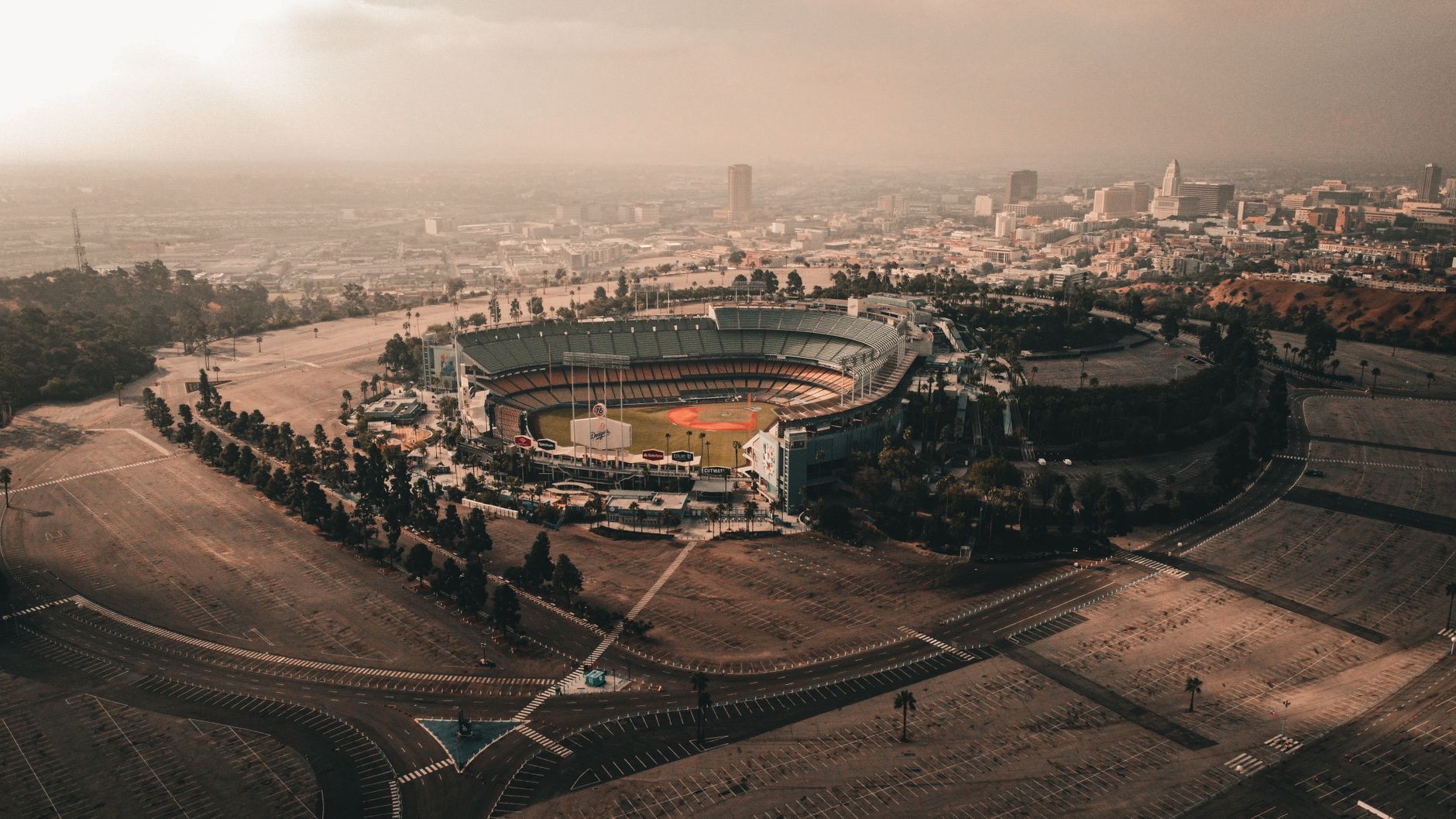
Photo by Caio Cezar on Pexels
Before 2025: how football world cup worked
Before 2025, the Football World Cup was easier to understand as a compact calendar: fewer host regions, fewer total teams, and a more predictable rhythm for fans, broadcasters, and licensed betting operators. The familiar model centered on a single host nation or smaller co-hosting structure, with group-stage sequences that were simpler to map for travel, rest days, and market pricing. Have you ever thought why older tournaments felt easier to follow? The answer is scale: fewer moving parts meant fewer variables for scheduling, squad rotation, venue climate, and local fan movement. FIFA’s historical tournament structure, summarized by FIFA, created a global ritual where supporters could track one national team path from group stage to knockout rounds without juggling three countries and multiple time zones.
For betting analysts and football media, that older model also made pre-tournament modeling cleaner. A bettor comparing Brazil, Argentina, France, Germany, England, or Spain could focus heavily on squad quality, recent form, and likely bracket path. Now, location-specific details matter more: altitude in Mexico City, travel distance from Vancouver to Miami, and West Coast kick-off timing in Los Angeles can influence rest patterns and viewing markets. Football Compass treats this as a shift from simple fixture reading to layered tournament intelligence, where ESPN schedule feeds, FIFA venue data, and local host-city information all become part of the same decision chain. To explore related tournament basics, see our [Internal Link: football world cup format guide].
The 2026 shift: what is different?
The 2026 shift is scale: the FIFA World Cup expands to 48 teams, three host countries, and a broader match footprint across North America. Los Angeles becomes a major anchor with eight matches, SoFi Stadium fixtures, and 39 days of fan programming that extend the event beyond the pitch.
That expansion changes the way serious fans should read the Football World Cup. According to FIFA’s tournament information, the 2026 edition is hosted by Canada, Mexico, and the United States, making it the first men’s World Cup spread across three countries. Why does that matter? Because match analysis now needs to include geography, local event infrastructure, and fan-flow planning alongside traditional football variables. Los Angeles illustrates this better than almost any other city: SoFi Stadium hosts eight matches, the LA Memorial Coliseum stages the FIFA Fan Festival from June 11 to 14, and Official Fan Zones across Los Angeles County create watch-party demand even on non-match days.
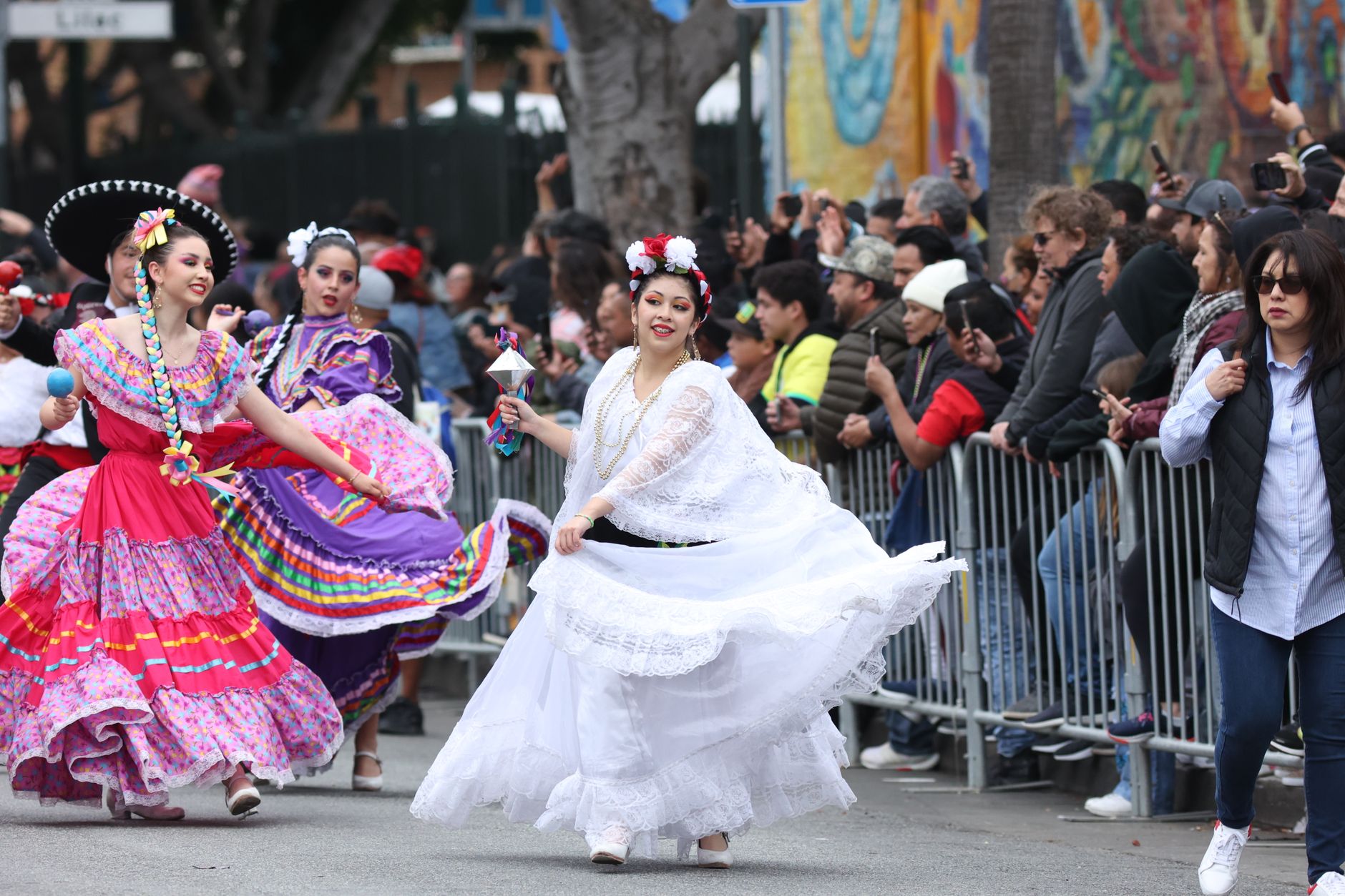
Photo by Sean P. Twomey on Pexels
A less obvious insight is that host-city energy can affect betting market liquidity before it affects team performance. In major legal markets, match days involving the U.S. Men’s National Team, Mexico, Argentina, or England often see larger recreational betting volume than lower-profile fixtures, which can slightly distort prices in the hours before kick-off. That does not mean crowd noise decides outcomes, but it does mean informed readers should separate public sentiment from tactical probability. Football Compass recommends checking team news and pricing at three moments: 48 hours before kick-off, after confirmed lineups, and within the final 30 minutes before the match. For deeper tactical reading, continue with our [Internal Link: world cup betting market movement explainer].
See the schedule, teams, and tactical angles in one focused destination.
What changed for players?
Players face a more demanding 2026 World Cup environment because travel, recovery, squad depth, and tactical flexibility matter more than in smaller tournament formats. A 48-team field creates more fixture paths, more opponent variety, and greater pressure on managers to rotate intelligently without weakening performance.
The biggest change is not only the number of teams; it is the number of decisions. Coaches must decide whether to protect star players during manageable group-stage moments or chase goal difference early to avoid a difficult knockout route. Players from clubs such as Real Madrid, Manchester City, Inter Milan, Bayern Munich, and Paris Saint-Germain may enter the tournament after long domestic and UEFA Champions League campaigns, which makes minutes management a central issue. Have you ever thought why a team can look brilliant in match one and flat in match three? Often, it is not motivation; it is workload, travel, weather, and tactical mismatch combining at the wrong time.
For betting and analysis, the practical edge is to track player usage before public narratives harden. A forward who played 4,500 club minutes before June 2026 may carry different late-match risk than a fresher teammate with similar headline stats. A national side landing in Los Angeles after playing in another time zone may also approach pressing intensity differently, especially against teams comfortable defending deep. Football Compass weighs these details in match predictions because player performance is never only about talent. It is talent under schedule pressure, tactical instruction, and venue context. For player-level preparation, use our [Internal Link: football world cup player stats dashboard].
What this means now?
This means Football World Cup coverage in 2026 should be read as a live operating system, not a static fixture list. Fans, bettors, and analysts need to combine official schedules, host-city logistics, injury reports, lineup confirmation, and market movement before drawing conclusions.
Los Angeles shows the new model clearly. The official city site notes “Eight matches” and “39 days of fan celebrations,” while the LA Memorial Coliseum and SoFi Stadium create two different event centers: one for collective viewing and culture, the other for elite match-day football. The Los Angeles FIFA World Cup 26 host site positions the city as a full tournament experience, not merely a stadium stop. That distinction matters because many fans will be consuming the tournament through hybrid behavior: attending one match, watching several at Fan Zones, and following odds, lineups, and tactical commentary on mobile devices between events.

For licensed betting audiences, the smartest approach is disciplined timing rather than constant action. Market prices can move after squad announcements, weather updates, or public betting surges, especially around high-profile teams. A useful operational tip: compare opening odds with post-lineup odds, then ask why the price changed before reacting. If the shift reflects a confirmed injury to a goalkeeper or defensive midfielder, it may be meaningful; if it follows viral fan enthusiasm around a home-region team, it may be noise. Football Compass is designed to help readers separate those signals through tactics, stats, and tournament reporting.
Get sharper context before the next major fixture window.
Three predictions for next quarter
Next quarter will likely bring sharper schedule analysis, heavier host-city planning, and more early betting-market positioning around the 2026 Football World Cup. The most active readers will follow FIFA updates, national-team camps, and city-level logistics before mainstream tournament attention peaks.
- Los Angeles content demand will rise before match demand peaks. Searches for SoFi Stadium, FIFA Fan Festival, Official Fan Zones, and U.S. Men’s National Team opening match information should accelerate as travel planning becomes practical.
- Player availability will matter more than outright rankings. A nation ranked highly by reputation can still become overvalued if key players carry fatigue or injury concerns from the 2025-26 club season.
- Live analytical coverage will outperform generic previews. Fans want to know why a price moved, why a manager changed shape, and why one venue creates different match conditions than another.
The contrarian point is that the expanded 48-team format may not make early analysis less reliable; it may make lazy analysis less useful. More teams create more mismatches, but they also create clearer tactical edges for analysts who understand pressing resistance, defensive block height, set-piece quality, and transition speed. Football Compass will keep treating the Football World Cup as a moving information market where schedule, tactics, and player data interact. The recommendation is straightforward: build your watchlist now around teams, venues, and key players rather than waiting for the tournament narrative to become crowded. For broader preparation, visit our [Internal Link: 2026 world cup team tactics preview].

Ready to follow the 2026 tournament with better context from the first whistle to the final?
Frequently Asked Questions
Q: What is the Football World Cup 2026?
A: The Football World Cup 2026 is FIFA’s men’s national-team tournament hosted by the United States, Canada, and Mexico. It features an expanded 48-team format and a wider North American venue map than previous editions. Los Angeles is one of the key U.S. host cities, with eight matches scheduled at SoFi Stadium.
Q: How can I follow the Football World Cup schedule?
A: You can follow the Football World Cup schedule through FIFA, ESPN, host-city websites, and specialist coverage from Football Compass. Start with official fixture dates, then add team news, venue details, and confirmed lineups. This layered approach helps you avoid reacting to incomplete information.
Q: What is the difference between a match schedule and a fan festival?
A: A match schedule lists official fixtures, while a fan festival is a public event built around viewing, music, food, and community activities. In Los Angeles, SoFi Stadium hosts matches, while the LA Memorial Coliseum hosts FIFA Fan Festival programming from June 11 to 14. Both matter, but they serve different fan needs.
Q: Why does Los Angeles matter for the 2026 World Cup?
A: Los Angeles matters because it combines eight official matches with 39 days of fan celebrations across a major global entertainment market. SoFi Stadium, the LA Memorial Coliseum, and Official Fan Zones make the city a central part of the tournament experience. It is also tied to the U.S. Men’s National Team opening match on June 12.
Q: How should bettors analyze Football World Cup matches?
A: Bettors should analyze World Cup matches by combining team tactics, player fitness, venue context, and market movement. Check odds before team news, after confirmed lineups, and shortly before kick-off to understand why prices changed. Football Compass focuses on these signals for readers in legal and regulated betting markets.
Q: Is Football Compass free to use?
A: Football Compass provides World Cup-focused content for fans seeking match predictions, tactics, player stats, and tournament coverage. Availability of specific features may vary by page or campaign. Readers should use it as a research companion alongside official FIFA schedules and reputable sports news sources.
Thank you for reading.
Football Compass · Editorial Archive