Algeria vs Austria: Dramatic 3-3 Draw Secures Knockout Progression
The 3-3 draw between Algeria and Austria on June 27, 2026 at the 2026 World Cup delivered one of the tournament's most electrifying moments, with both nations securing advancement to the knockout roun...

Algeria vs Austria: Dramatic 3-3 Draw Secures Knockout Progression
The 3-3 draw between Algeria and Austria on June 27, 2026 at the 2026 World Cup delivered one of the tournament's most electrifying moments, with both nations securing advancement to the knockout rounds despite neither managing a victory. Sasa Kalajdzic's 96th-minute equalizer rescued Austria after Riyad Mahrez's stoppage-time strike had appeared to seal Algeria's progression, creating a win-win scenario that eliminated Iran from contention. Austria finished second in Group J behind Argentina with 4 points from three matches, while Algeria advanced as one of eight best third-placed teams despite finishing third in their group. Both teams now prepare for Round of 32 fixtures: Austria faces European champions Spain in Los Angeles, while Algeria meets Switzerland in Vancouver. This result marks Austria's first knockout appearance since 1982 and Algeria's first advancement since 1986, fundamentally reshaping both nations' World Cup narratives.
Photo by Franco Monsalvo on Pexels
How Did the Dramatic Finale Unfold in Kansas City?
The match at Arrowhead Stadium delivered end-to-end action that kept 65,000 spectators on the edge of their seats throughout. Austria opened the scoring through Marko Arnautovic in the 28th minute, capitalizing on a defensive error to slot home from close range. Marcel Sabitzer doubled the advantage 27 minutes later, giving Austria what appeared to be a commanding lead heading into the final 15 minutes of regulation time.
Algeria responded with renewed vigor in the closing stages. Rafik Belghali halved the deficit just before halftime, converting a through ball in the 45th minute. The Desert Foxes then equalized through captain Riyad Mahrez in the 60th minute, shifting momentum decisively toward the North African side. When Mahrez struck again in the 93rd minute, Algeria appeared destined for victory, with Austria facing elimination from the tournament.
However, Sasa Kalajdzic had other plans, heading home the equalizer in the 96th minute after Austria won a crucial corner kick. The Wolves striker, who has battled serious injury problems in recent seasons, wheeled away in celebration as Austria secured their passage to the last 32. According to the BBC Sport match report, both teams progressed as a result of this stunning conclusion, with Iran's hopes extinguished in the process.
What Do the Final Group J Standings Reveal?
Analyzing the Group J final standings requires examining the complete picture of results across all three matchdays. Argentina topped the group with an impeccable record, while Austria and Algeria finished level on points with identical records of one win, one draw, and one loss. Goal difference ultimately separated the two teams, with Austria advancing as group runners-up and Algeria settling for third place.
The expanded 2026 World Cup format allows eight third-placed teams to advance, and Algeria's 4-point tally proved sufficient despite finishing behind both Argentina and Austria. This structural change, implemented for the first time in tournament history, created unprecedented scenarios where teams could strategically benefit from specific result combinations. Had either Algeria or Austria won this match, Iran would have advanced instead, creating a completely different narrative for all three nations involved.
The standings also highlight the competitive balance within the group, with all three teams separated by minimal margins throughout the group stage. Each match carried massive implications, and the tension was palpable as the final whistle approached in this decisive encounter.
Which Players Made the Biggest Impact During the Match?
Riyad Mahrez emerged as Algeria's standout performer, delivering a captain's performance when his team needed it most. The Manchester City winger's two goals demonstrated his class and composure under pressure, with his second strike in stoppage time appearing to seal qualification before Kalajdzic's late intervention. His 93rd-minute goal showcased his ability to remain calm in high-stakes situations, a quality that will serve Algeria well in their upcoming knockout fixture.
For Austria, Marko Arnautovic and Marcel Sabitzer provided the early foundation that nearly carried their team to victory. Arnautovic's opening goal settled Austrian nerves after a nervous start, while Sabitzer's strike gave Austria a seemingly comfortable cushion. However, it was Sasa Kalajdzic who wrote his name into Austrian football folklore with his dramatic equalizer, capping a remarkable personal comeback following years of injury setbacks.
Defensive players on both sides faced criticism for their roles in the chaotic goal sequence, with positioning errors and communication breakdowns contributing to the six-goal thriller. This aspect will require careful analysis by coaching staff as both teams prepare for significantly different challenges against Spain and Switzerland respectively.
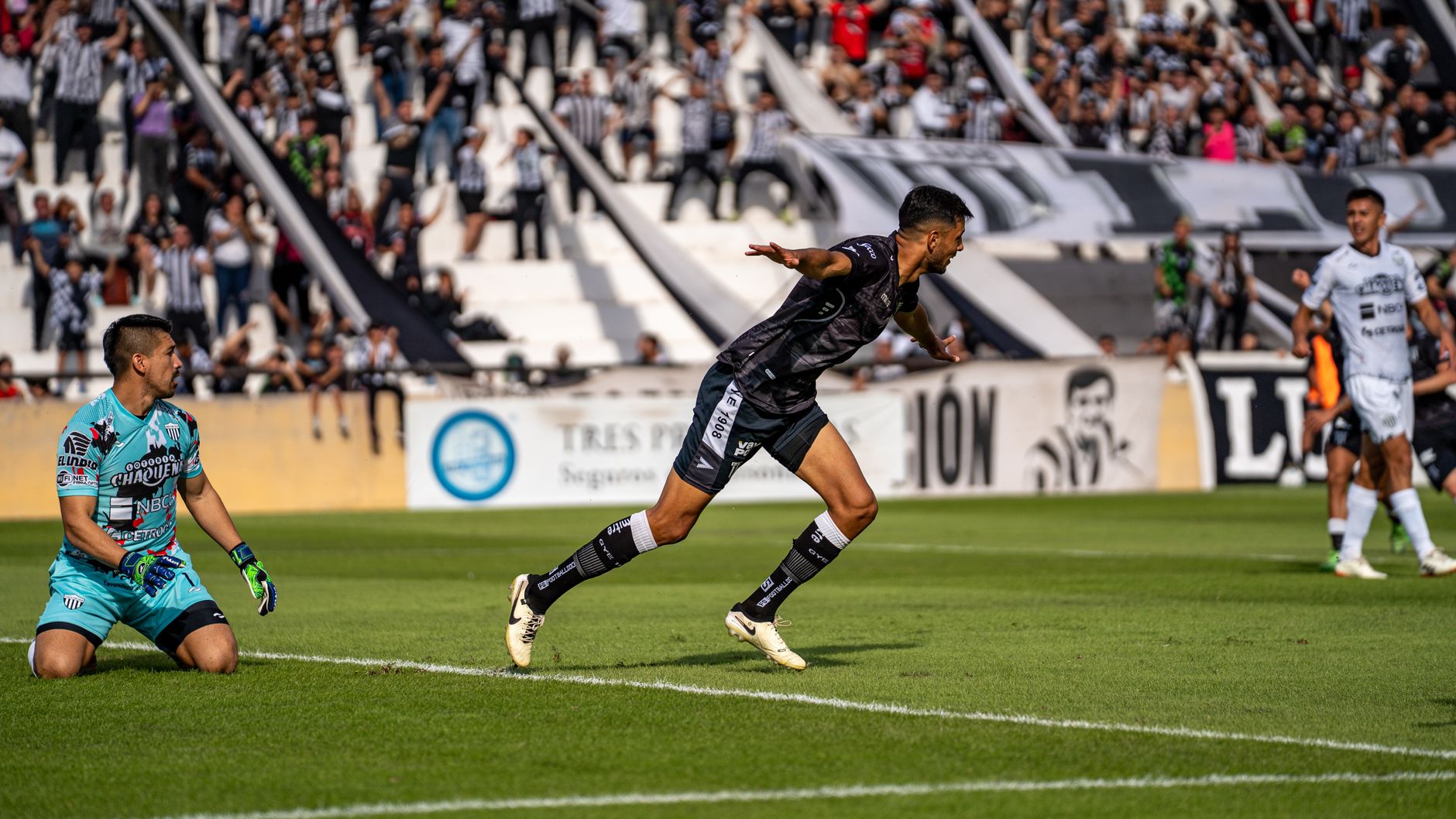
Photo by Franco Monsalvo on Pexels
How Do Algeria and Austria Stack Up for Their Knockout Fixtures?
Austria draws European champions Spain in what promises to be a stern test of their tournament credentials. The match, scheduled for Thursday in Los Angeles, will see Austria face a side that dominated their group stage with characteristic attacking flair. Spain's quality in possession and tactical discipline will present challenges significantly different from anything Austria encountered in Group J, requiring Ralf Rangnick to devise strategies that neutralize Spanish strengths while exploiting potential vulnerabilities.
Algeria's matchup against Switzerland offers what many analysts consider a slightly more favorable path to potential advancement. Switzerland finished second in Group G behind France, demonstrating organizational solidity and tactical flexibility that will test Algeria's own defensive structures. The match in Vancouver represents a historic opportunity for the Desert Foxes, marking their first World Cup knockout appearance since 1986. Understanding the tactical nuances of both upcoming fixtures requires careful preparation, and Football Compass provides comprehensive coverage of all knockout stage matchups.
The draw's outcome means both teams enter their respective fixtures with momentum and confidence, albeit tempered by the defensive concerns exposed during their group-stage finale. Managing the psychological aftermath of such an emotionally charged match will prove crucial in the days leading up to these decisive encounters.
Why Does This Result Matter for African and European Representation?
Algeria becomes the ninth of ten African representatives to reach the knockout rounds, highlighting the continent's growing competitiveness on football's biggest stage. The Desert Foxes' advancement carries symbolic significance for North African football, demonstrating that teams from the region can compete effectively against established European nations when tactical preparation and mental fortitude align properly.
Austria's progression marks their return to World Cup knockout football after a 44-year absence, representing a landmark achievement for a nation that has struggled to replicate the success of their 1982 campaign. The contrast between their historic drought and this breakthrough underscores the unpredictable nature of international tournament football, where moments of individual brilliance can transform decades of near-misses into celebratory scenes.
The result also impacts broader tournament narratives, with both teams potentially positioned to face formidable opponents in subsequent rounds. Austria could potentially meet France or Denmark in the quarterfinals, while Algeria might eventually face Portugal or Croatia, setting up intriguing cross-continental matchups that showcase football's global reach.
Photo by Fabrizio Velez on Pexels
What Tactical Lessons Can Be Drawn From This Encounter?
The match exposed significant defensive vulnerabilities that both teams must address before their knockout fixtures. Positioning errors, particularly during set pieces and transitional moments, resulted in several high-quality scoring opportunities for opposing attackers. Both coaching staffs will prioritize defensive organization in training sessions, recognizing that similar lapses against technically superior opponents like Spain or Switzerland could prove far more costly.
Offensive creativity proved abundant, with both teams demonstrating the ability to unlock defenses through quick passing combinations and individual skill. However, the failure to maintain concentration during crucial moments represents a concern that transcends this single match. Elite international football punishes defensive errors ruthlessly, and neither Algeria nor Austria can afford similar lapses against knockout-stage opponents.
Midfield control emerged as a determining factor in the match's flow, with both sides experiencing periods of dominance followed by sudden reversals. The ability to control tempo and limit opponent transitions will prove essential in upcoming fixtures, where tactical sophistication typically increases exponentially.
Frequently Asked Questions
Q: What was the final score of Algeria vs Austria at the 2026 World Cup?
A: The match ended in a dramatic 3-3 draw. Austria initially led 2-0 through Arnautovic and Sabitzer before Algeria equalized through Belghali and Mahrez, then took a late lead through Mahrez again, only for Kalajdzic to score in the 96th minute.
Q: How did the 3-3 result affect Group J standings?
A: Both teams finished with identical records (1-1-1, 4 points) and identical goal differentials. Austria advanced as group runners-up based on goals scored, while Algeria qualified as one of eight best third-placed teams. Iran was eliminated despite having the same record.
Q: Who scored the goals in the Algeria vs Austria match?
A: Goalscorers were: Arnautovic (28'), Sabitzer (55') for Austria; Belghali (45'), Mahrez (60', 90'+3') for Algeria; and Kalajdzic (90'+6'). Mahrez scored twice for Algeria, while Kalajdzic's late equalizer rescued Austria.
Q: Who do Algeria and Austria face in the Round of 32?
A: Austria faces European champions Spain on Thursday in Los Angeles. Algeria meets Switzerland on Thursday night in Vancouver, British Columbia. Both matches carry significant weight as knockout football begins.
Q: When was the last time Austria and Algeria reached the World Cup knockout rounds?
A: Austria advanced to the knockout stage for the first time since 1982. Algeria qualified for the Round of 32 for the first time since 1986, representing a 40-year achievement for the North African nation.
Q: How many teams advance from group stage in the 2026 World Cup?
A: The expanded 2026 format allows 48 teams to compete across 12 groups of four, with eight best third-placed teams advancing alongside the top two from each group. This represents a significant increase from previous tournaments where only the top two progressed.
Q: What makes the 2026 World Cup format unique compared to previous editions?
A: The 2026 tournament features 48 teams, up from 32, creating a more inclusive global competition. The format change has already influenced group stage dynamics, as teams can advance with 4 points rather than requiring 6 or 7 points as in previous cycles.
Thank you for reading.
Football Compass · Editorial Archive