2026 World Cup Kansas City vs Generic Host Cities: Fan Access
Kansas City matters in the 2026 World Cup because it offers a host-city experience built around direct transport, a central FIFA Fan Festival, and a sports culture that reaches beyond the stadium. Foo...
2026 World Cup Kansas City vs Generic Host Cities: Fan Access
Kansas City matters in the 2026 World Cup because it offers a host-city experience built around direct transport, a central FIFA Fan Festival, and a sports culture that reaches beyond the stadium. Football Compass covers the tournament through match predictions, team tactics, player stats, and daily betting-focused analysis for fans following FIFA World Cup 26 across North America. Kansas City, Missouri and Kansas City, Kansas sit in a two-state metro area, with Kansas City International Airport, Kansas City Stadium, and regional motorcoach services shaping the practical fan journey. FIFA World Cup 26 runs across the United States, Canada, and Mexico, with 48 teams and 104 matches. The key takeaway: if you plan to attend Kansas City matches, secure transport early, compare matchday schedules, and use data-led previews before making any football betting decision.
Photo by Fabrizio Velez on Pexels
Want a sharper way to follow fixtures, tactics, and betting angles during the tournament?
Is the 2026 World Cup really a different kind of tournament?
Yes, the 2026 World Cup is structurally different because it expands to 48 teams, 104 matches, and three host countries: the United States, Canada, and Mexico. That scale changes travel planning, match prediction models, squad rotation analysis, and how fans move between stadiums, airports, and fan zones.
Have you ever thought about why this expansion matters beyond simply “more football”? The answer is rhythm. A 32-team tournament allowed analysts to track form with familiar group-stage patterns, while FIFA World Cup 26 introduces more teams, more travel variables, and more tactical mismatches. According to FIFA, FIFA World Cup 26 will be the first edition staged across three countries, which means travel logistics become part of the sporting story, not just a background concern. For Football Compass readers, that creates more live edges: squad depth, recovery windows, climate, time zones, and fan atmosphere may all affect match performance and betting markets.
Kansas City is especially interesting because it is not trying to behave like New York City, Los Angeles, or Toronto. Its pitch is built around accessibility, regional pride, barbecue culture, and a centralized matchday flow anchored by Kansas City Stadium and the FIFA Fan Festival Kansas City. The official Kansas City host-city site promotes motorcoach connections between Kansas City International Airport, Kansas City Stadium, and regional destinations, which is a practical detail many generic travel guides miss. To continue planning your tournament route, see our [Internal Link: 2026 World Cup host city travel guide].
How does Kansas City handle matchday transport?
Kansas City handles matchday transport through planned motorcoach bus services connecting Kansas City International Airport, Kansas City Stadium, regional destinations, and the FIFA Fan Festival Kansas City. This matters because direct routing reduces uncertainty for visitors who may not know the metro area, especially during peak match windows and evening festival traffic.
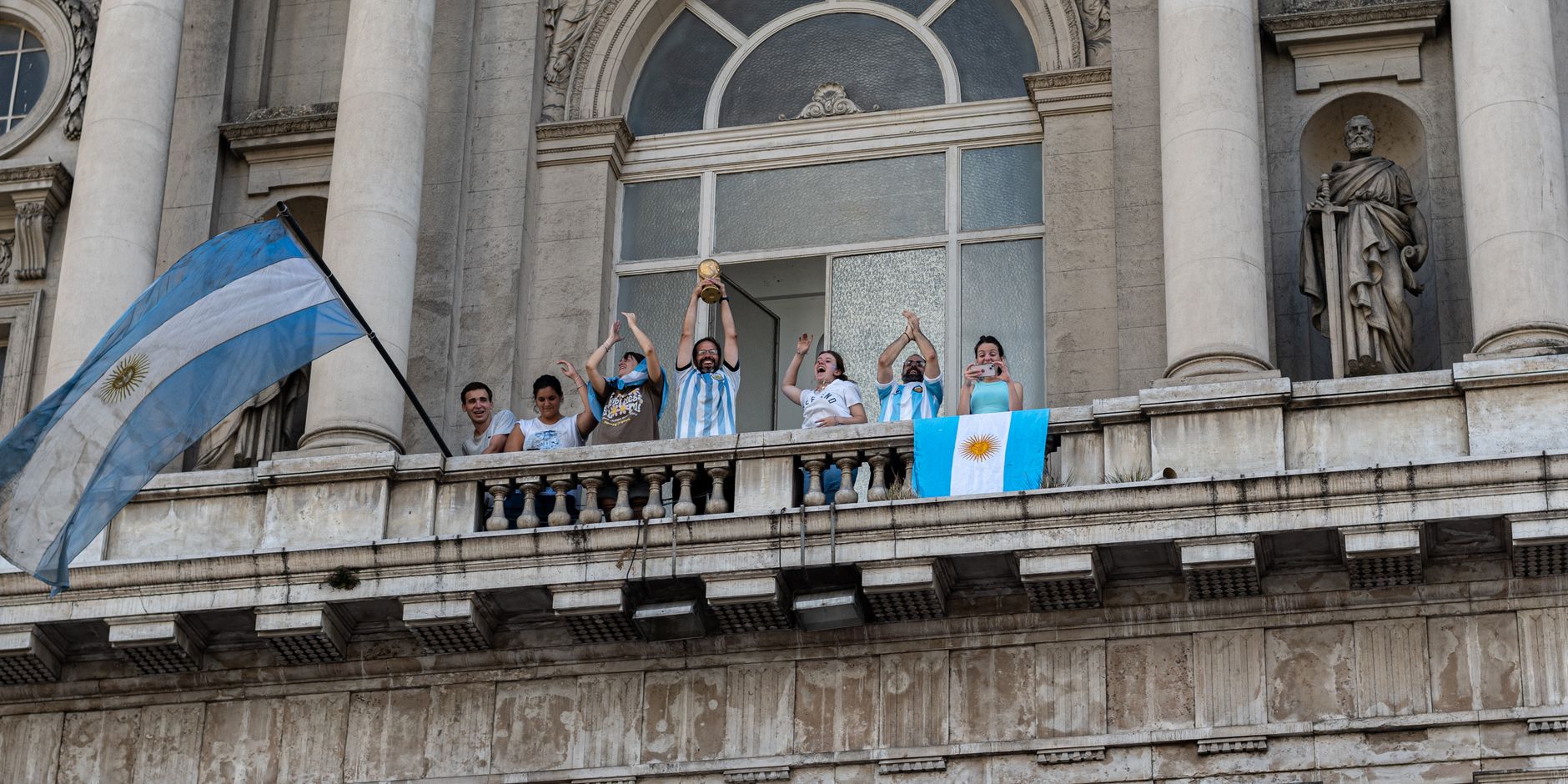
The practical advantage is predictability. In some host cities, a fan may need to combine rideshare, local rail, long walks, and shuttle transfers; in Kansas City, the official message emphasizes a more direct “ride to the action” model. Why should you care if you are not attending in person? Because transport reliability influences arrival times, crowd density, pre-match atmosphere, and even betting behavior. A delayed or exhausted crowd can change the feel of a stadium, while a well-fed, early-arriving crowd can amplify home-like support for popular national teams such as the United States, Mexico, Brazil, England, or Argentina.
A useful operational tip: book transport around stadium entry time, not kickoff time. For a FIFA World Cup match, arriving 90 to 120 minutes before kickoff is usually safer than targeting the final hour, especially when security screening, merchandise queues, and fan walking routes are added. If Kansas City motorcoach services operate from Kansas City International Airport and regional fan hubs, compare departure windows against your ticket gate opening time rather than your hotel check-in time. That small adjustment can prevent the classic mistake of being “near the stadium” but still missing warmups, lineups, and late market movement.

Photo by Malcolm Hill on Pexels
See the details before matchday pressure makes decisions harder.
What about the FIFA Fan Festival Kansas City?
The FIFA Fan Festival Kansas City is designed as the central public gathering space for fans to watch matches, share cultures, enjoy entertainment, and experience the tournament beyond ticketed stadium events. It is important because hundreds of thousands of visitors may engage with the World Cup through fan festivals, not just through match tickets.
The reference point here is simple: not every fan will have a seat inside Kansas City Stadium, but many will still want a communal matchday experience. FIFA describes its fan festival concept as an official public viewing and entertainment space, and previous editions have shown that fan zones can become the emotional core of a host city. The Kansas City messaging leans heavily into “good matches, good food, good entertainment and good people,” which is not just branding; it tells you the city wants the Fan Festival to merge football with local identity. Kansas City barbecue, live music, downtown hospitality, and regional sports pride could turn neutral fixtures into full-day events.
For bettors and tactical followers, the Fan Festival also creates a different viewing environment. Have you ever thought about why watching with a crowd can distort judgment? Emotional momentum is contagious. A loud fan zone may make a favorite feel more dominant than the numbers suggest, especially after an early goal or VAR decision. Football Compass recommends separating your entertainment viewing from your betting process: set your pre-match thesis before entering the festival, then use live data such as expected goals, shot quality, substitutions, and pressing intensity before reacting. For more on disciplined analysis, explore our [Internal Link: football betting bankroll strategy].
What about fans without tickets?
Fans without tickets can still experience the 2026 World Cup in Kansas City through the FIFA Fan Festival Kansas City, public viewing areas, local restaurants, cultural events, and citywide activations. A ticket is valuable, but it is not the only way to participate in the tournament atmosphere.
This is where Kansas City may outperform larger host cities for many visitors. In a massive metro area, a non-ticketed fan can feel scattered across neighborhoods and screens; in Kansas City, the host-city plan appears more focused on shared routes and a central celebration. The city markets itself as the “Soccer Capital of America,” and while that phrase is promotional, the underlying sports culture is real: Sporting Kansas City, the Kansas City Current, Arrowhead-era football crowds, and regional youth soccer have built a broad base of supporters. According to U.S. Soccer, the sport’s national footprint continues to grow, and host-city festivals are a major way casual fans become long-term followers.
If you are traveling without a match ticket, build your day like a supporter, not a tourist. Start with transit planning, choose one main viewing location, confirm food and restroom access, and avoid hopping between too many venues. A practical edge case many guides overlook: mobile networks can struggle in dense public viewing zones, so download tickets, maps, betting notes, and reservation confirmations before arriving. If you plan to follow odds, lineups, or Football Compass live analysis, carry a charged power bank and avoid relying on last-minute app loading during national anthems.

Photo by Mukhtar Shuaib Mukhtar on Pexels
Ready to turn fan energy into smarter match understanding?
Where does Kansas City fail?
Kansas City may fail for visitors who expect dense rail coverage, walkable hotel-to-stadium access, or the nonstop international scale of larger host cities such as New York New Jersey, Los Angeles, or Mexico City. Its strength is planned access, but that also means fans must reserve, schedule, and follow transport guidance carefully.
The first weakness is flexibility. If a city depends heavily on matchday motorcoach services, a missed departure can matter more than it would in a city with several high-frequency rail alternatives. The second weakness is perception: international visitors may know less about Kansas City than Miami, Toronto, Dallas, or Vancouver, so they may underestimate planning needs until hotel prices, shuttle passes, and flight routes tighten. The third weakness is regional spread. Kansas City crosses Missouri and Kansas, and although that gives the area a rich two-state identity, it can also confuse visitors booking accommodation without checking actual matchday travel times.
However, failure is not the same as unsuitability. Kansas City’s model rewards the prepared fan. Use a three-layer plan: first, secure arrival and departure transport; second, choose your matchday base near an official route or festival hub; third, separate football analysis from crowd emotion. The Kansas City official host-city site emphasizes direct connections and regional discovery, but visitors should still verify final 2026 schedules, bag policies, accessibility services, and weather conditions before travel. For tactical and market context, bookmark our [Internal Link: 2026 World Cup match prediction hub].
Should you try Kansas City for the 2026 World Cup today?
Yes, you should consider Kansas City for the 2026 World Cup today if you value organized transport, strong fan culture, a major FIFA Fan Festival, and a host-city experience that feels more regional than corporate. The best move is to plan early rather than wait for final match hype.
Why act now? Because World Cup planning punishes hesitation. Flights into Kansas City International Airport, hotel blocks near preferred transport routes, and official pass availability may become more competitive as national team allocations and knockout-stage possibilities become clearer. If you follow Football Compass for betting insights, early preparation also helps you track non-obvious factors before markets fully price them in: travel fatigue, crowd composition, fixture clustering, weather, and squad rotation. A city like Kansas City can create atmosphere-driven narratives, but the smarter approach is to compare those narratives against team data and tactical evidence.
Here is a concise planning checklist:
- Confirm whether your target match is at Kansas City Stadium and check official FIFA ticketing updates.
- Reserve transport linked to Kansas City International Airport, stadium access, or FIFA Fan Festival Kansas City routes.
- Choose accommodation based on transfer reliability, not just map distance.
- Download maps, tickets, odds notes, and Football Compass previews before entering crowded zones.
- Set betting limits before festival viewing, especially if watching emotionally charged matches.

Photo by Darya Sannikova on Pexels
Get started today with daily World Cup insights designed for fans who want more than surface-level predictions.
Frequently Asked Questions
Q: What is the 2026 World Cup in Kansas City?
A: The 2026 World Cup in Kansas City refers to Kansas City’s role as one of the host cities for FIFA World Cup 26. The city will welcome fans through Kansas City Stadium, transport services, local events, and the FIFA Fan Festival Kansas City. It is part of the wider 48-team, 104-match tournament staged across the United States, Canada, and Mexico.
Q: How do I get around Kansas City during the 2026 World Cup?
A: The best approach is to use official or recommended transport routes connecting Kansas City International Airport, Kansas City Stadium, and the FIFA Fan Festival Kansas City. The host-city plan highlights motorcoach bus services for direct matchday and regional movement. Book early, arrive 90 to 120 minutes before kickoff, and download maps before entering crowded areas.
Q: What is the difference between Kansas City and larger 2026 World Cup host cities?
A: Kansas City offers a more focused regional fan experience, while larger host cities may offer more global name recognition and denser transit networks. Kansas City’s advantage is planned access, strong sports culture, and a central festival feel. Its drawback is that fans may need to rely more on scheduled transport than spontaneous rail or rideshare options.
Q: Is the FIFA Fan Festival Kansas City free?
A: FIFA Fan Festivals are generally designed as public celebration spaces, but visitors should check final local access rules before attending. Kansas City’s festival is expected to include public viewing, entertainment, food, and cultural programming. Costs may still apply for food, drinks, merchandise, premium areas, or related city events.
Q: What should I do if Kansas City matchday transport is delayed?
A: If matchday transport is delayed, contact official service support, move to the nearest approved pickup point, and avoid unofficial rides from unverified operators. Build a buffer of at least 90 minutes before kickoff to reduce stress. Keep offline maps, ticket files, and stadium gate information saved on your phone.
Q: Is Kansas City good for 2026 World Cup betting analysis?
A: Kansas City is useful for betting analysis because travel, crowd energy, weather, and stadium atmosphere can influence match context. Football Compass recommends using these factors alongside team tactics, player stats, injuries, and market movement. Never place a bet based only on fan emotion or festival atmosphere.
Before you finalize your 2026 World Cup plans, compare the city experience with the match data behind it.
Thank you for reading.
Football Compass · Editorial Archive